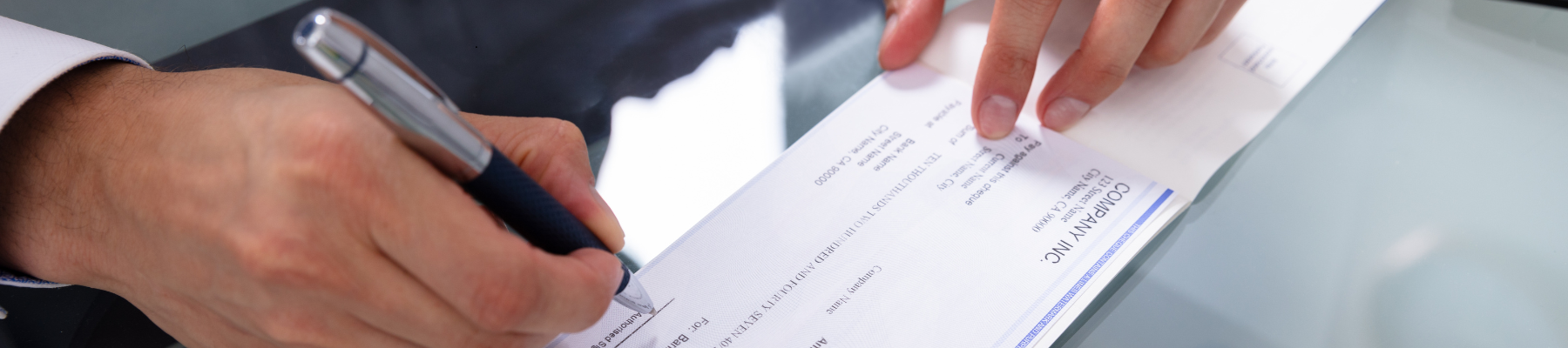
Understanding Cheque Bounce Cases (Section 138 NI Act) in Calcutta: Consequences & Legal Steps
In India, cheques are a widely used method of payment in business and personal transactions. However, when a cheque bounces due to insufficient funds or other reasons, it is not just a financial matter—it is a legal offense under Section 138 of the Negotiable Instruments Act, 1881 (NI Act). Understanding your rights and the legal process is crucial for both the payee and the drawer of the cheque, especially in Calcutta and West Bengal.
A cheque bounce, also known as dishonour of cheque, occurs when a bank refuses to honor a cheque presented for payment. The most common reasons include:
● Insufficient funds in the drawer’s account
●Signature mismatch
● Account closed or frozen
● Post-dated or stale cheque
Legal Provisions under Section 138 NI Act
Section 138 of the NI Act makes cheque bouncing a criminal offense. Key provisions include:
Liability: The drawer of the cheque can be punished with imprisonment up to 2 years or fine up to twice the cheque amount, or both.
Notice Requirement: The payee must send a written demand notice to the drawer within 30 days of receiving the cheque return memo.
Filing a Complaint: If the drawer fails to make payment within 15 days of receiving the notice, the payee can file a complaint in the Magistrate’s court.
Steps to Take When a Cheque Bounces
1. Check the Return Memo: Verify the reason for dishonor with your bank.
2. Send a Legal Notice: Draft a notice under Section 138, mentioning the cheque details and requesting payment within 15 days.
3. File a Complaint: If the drawer does not pay within the notice period, approach the competent jurisdictional court to file a criminal complaint.
4. Attend Court Proceedings: The drawer may be summoned, and the case will proceed under criminal law.
5. Seek Civil Remedies: Apart from criminal action, the payee may also initiate a civil suit to recover the cheque amount.
Consequences for the Drawer of the Cheque
A bounced cheque can have serious consequences:
● Criminal prosecution under Section 138 NI Act
● Imprisonment or fine
●Legal expenses and court proceedings
●Damage to reputation and creditworthiness
Tips to Avoid Cheque Bounce Issues
● Ensure sufficient balance before issuing a cheque
●Avoid post-dated cheques unless necessary
● Reconcile bank accounts regularly
● Respond promptly if you receive a notice
FAQs About Cheque Bounce Cases in Calcutta
Q1: Where can I file a cheque bounce complaint in Calcutta?
A: In Calcutta, a cheque bounce complaint under Section 138 NI Act can be filed in the Chief Judicial Magistrate Court or Metropolitan Magistrate Court that has jurisdiction over the area where the cheque was presented or where the drawer resides.
Q2: How long do I have to send a notice for a bounced cheque in Calcutta?
A: You must send a legal notice within 30 days of the cheque being dishonored, usually via registered post with acknowledgment.
Q3: Can a Calcutta advocate help me recover a bounced cheque?
A: Yes. An experienced Calcutta advocate can draft the notice, file a criminal complaint, and represent you in court to recover the cheque amount efficiently.
Q4: How long does a cheque bounce case take in Calcutta courts?
A: Most Section 138 cases in Calcutta take 6 months to 2 years, depending on court schedules and case complexity.
Q5: Can I recover the cheque amount along with interest in Calcutta?
A: Yes. You can file a civil suit in a Calcutta court to recover the cheque amount along with interest and legal expenses.
Q6: What happens if the drawer is located outside Calcutta but the cheque was deposited in Calcutta?
A: You can still file the complaint in the Magistrate Court in Calcutta, where the cheque was presented. Local advocates are experienced in handling such cross-jurisdictional matters.
Author:
Priya Chakraborty, Advocate – High Court, Calcutta
Disclaimer:
The information provided on this blog is for general informational purposes only and does not constitute legal advice. Consult a qualified legal professional for advice specific to your case.